
The Cost of Indian Removal
Little House on the PrairieThis thematic flow traces the human and moral weight of Indian removal as it becomes visible through Pa's explanations, Ma's fear, Scott's hatred, and Great Soldier's choice.
increasing Bearing strength in each event
 decreasing
Bearing strength in each eventdecreasingPa Explains the Government's Power
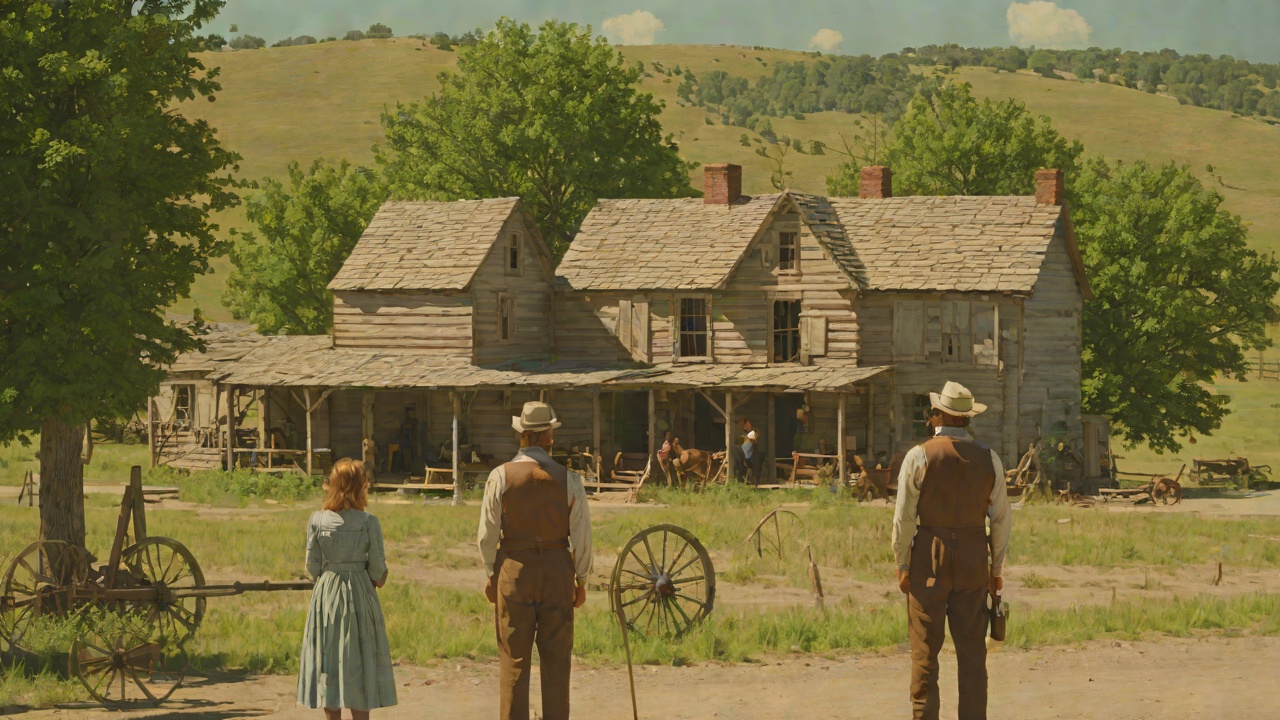
Pa Explains the Government's Power
Scene
Pa tells Laura that when white settlers arrive, the government moves the Indians west. He says plainly that this is why white people can live in Indian Territory.
Meaning
The explanation names the injustice beneath the family's good fortune. Laura, still a child, hears it without fully understanding.
Aftermath
She asks if the Indians will be angry, but Pa ends the conversation and sends her to bed.
Ma's Fear of the Indians
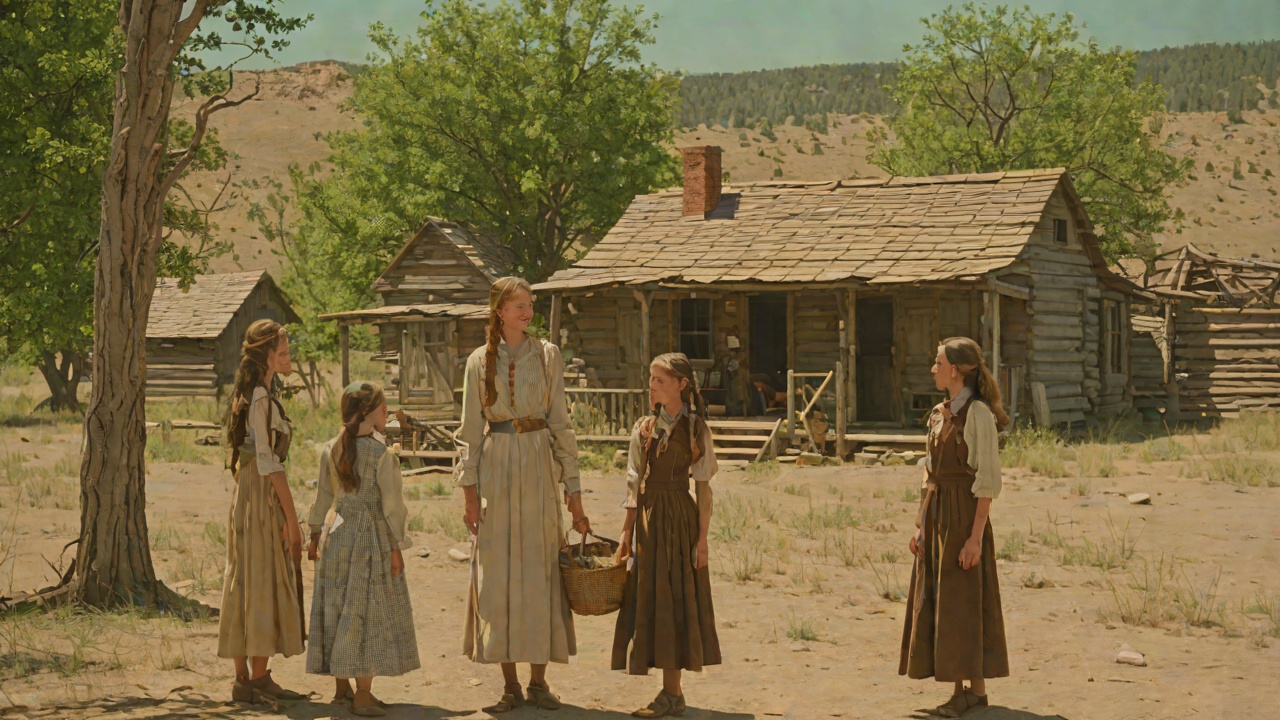
Ma's Fear of the Indians
Scene
Ma tells Pa she thinks Indians should stay with other Indians and settlers should do the same. Her fear grows with every visit to the house.
Meaning
Ma's fear is personal, not political, but it reflects the broader settler anxiety about displacement and danger. It distances her from the people she feeds.
Aftermath
Pa tries to calm her, but Ma never fully relaxes while Indians are near.
Mr Scott's Harsh Words
Mr Scott's Harsh Words
Scene
Mr Scott says that the only good Indian is a dead Indian. Pa answers that Indians are as good as anyone if left alone.
Meaning
The exchange lays out two views of Indian removal: hatred versus uneasy tolerance. Scott's words show how deeply settlers could dehumanize their neighbors.
Aftermath
Pa's more generous view does not change the government's policy, but it influences Laura's memory of the event.
Great Soldier Chooses Peace
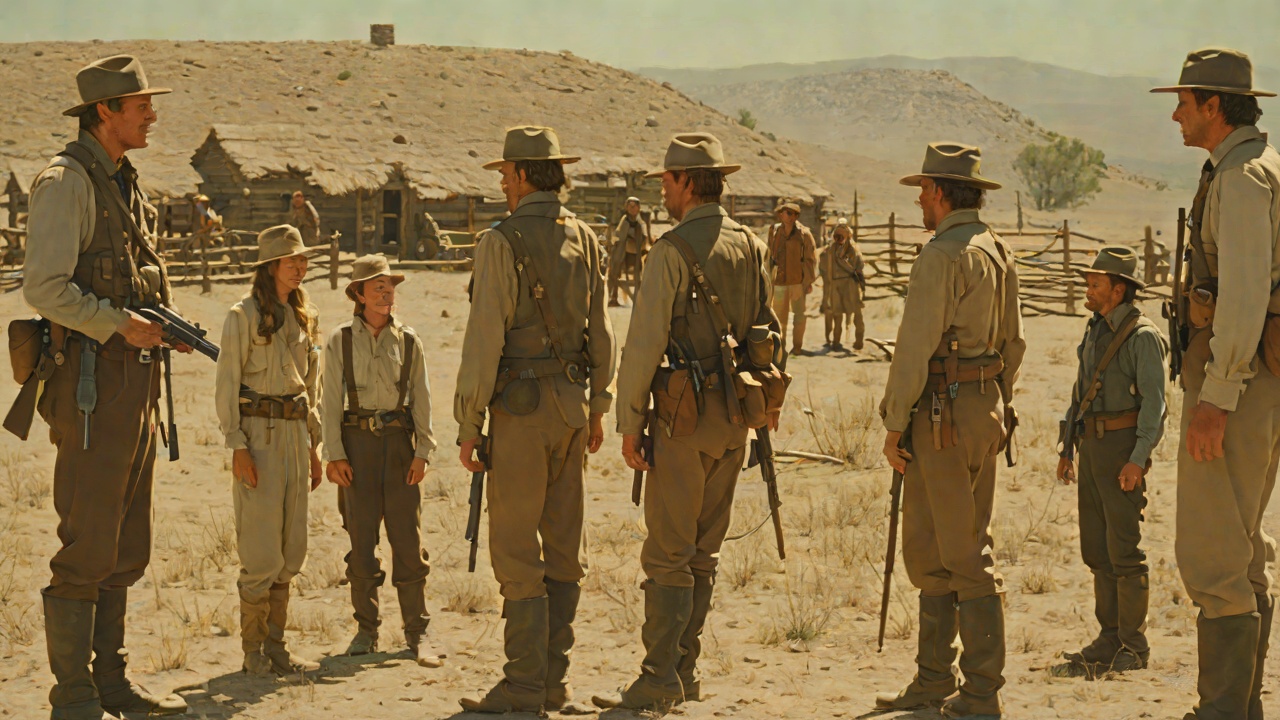
Great Soldier Chooses Peace
Scene
Great Soldier argues with the other tribes until they agree not to attack the settlers, then tells them the Osages will fight to save the white people. He rides alone through the night to do this.
Meaning
Great Soldier's choice adds a tragic dimension to Indian removal: the people forced from their land still have moral agency. He protects the very settlers who are replacing him.
Aftermath
The tribes leave, the prairie is quiet, and Pa calls Great Soldier a good Indian.
The Empty Camps and the End of the Claim
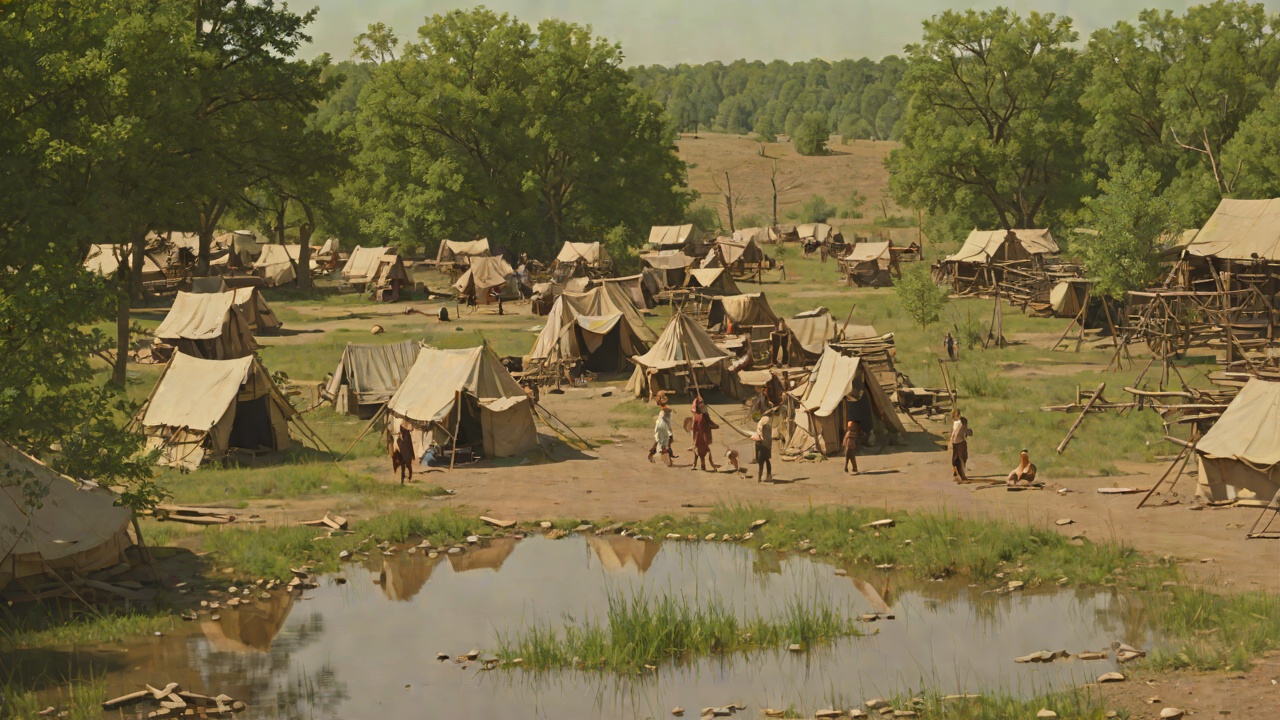
The Empty Camps and the End of the Claim
Scene
Pa walks along the creek and finds every Indian camp empty. The Osages have gone west, and soon the settlers are told to leave too.
Meaning
The removal of the Indians does not protect the settlers' claim; both are made homeless by the same government system. The cost of removal is shared, though unequally.
Aftermath
The little house is abandoned, and the green grass waves over a land that no one has the right to keep.
after the Indians take the furs
through the months of Indian visits
after the prairie fire
during the war-cry crisis
after the tribes leave and before the settlers go
